Source handmade paper gift box for Jewelry, Food, and Cosmetics
Find 30 listings for handmade paper gift box options suitable for jewelry, food, and cosmetic packaging. Buyers can compare customization services, shapes, and printing details from verified suppliers in China.
Key considerations
Products List




Comprehensive Sourcing Guide
Strategic Sourcing Guide for Handmade Paper Gift Boxes
The global market for sustainable packaging has driven a significant shift toward handmade paper gift boxes, blending artisanal aesthetics with functional utility. For B2B procurement professionals, sourcing these items requires a nuanced understanding of material properties, customization capabilities, and supply chain logistics. Unlike mass-produced rigid containers, handmade variants often involve specific production techniques that influence cost, lead time, and quality consistency. This guide synthesizes observed market data and technical attributes to provide a disciplined framework for evaluating suppliers and securing high-quality packaging solutions.
Technical Specifications and Material Composition
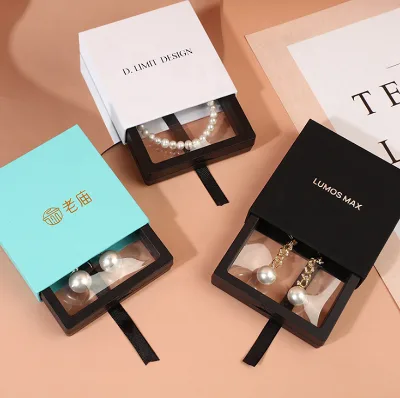
The foundation of a reliable handmade paper gift box lies in its material composition and structural design. Based on current market observations, the primary material for these products is paper, specifically cardboard, which offers the necessary rigidity for protection while maintaining an eco-friendly profile. Buyers should verify that the material is listed as "Paper" or "Paper/Card Board" to ensure authenticity. The structural integrity is further defined by the shape and type of the box. While standard offerings include square and rectangular configurations, the handmade nature of the product allows for irregular shapes, catering to unique branding needs.
The manufacturing process often involves specific surface handling techniques. Offset printing is a common method observed in the sector, allowing for high-quality graphic reproduction on the paper surface. The printing page configuration is typically single-sided, which is standard for exterior branding, though internal printing may vary based on custom requests. The opening mechanism is another critical technical specification; clamshell designs are prevalent, offering a secure closure that enhances the unboxing experience. Additionally, the boxes are frequently categorized as folding boxes or lid-and-base combinations, providing versatility for different product dimensions.
| Specification Category | Observed Attributes | Procurement Verification Point |
|---|---|---|
| Material | Paper, Cardboard | Confirm fiber quality and thickness (GSM) |
| Shape | Square, Rectangle, Irregular | Validate dimensional tolerances |
| Type | Folding Box, Lid and Base, Combination | Check hinge durability and fit |
| Surface Handling | Offset Printing | Assess color fidelity and ink adhesion |
| Open Way | Clamshell | Test closure mechanism strength |
| Weight | <0.5 kg | Verify shipping weight calculations |
Customization Capabilities and Design Flexibility
One of the primary drivers for selecting handmade paper gift boxes is the extensive customization available. Suppliers in this sector typically offer "Customization Acceptable" services, allowing buyers to tailor the product to specific brand requirements. This includes the ability to incorporate customer logos, with "With Logo Printing" being a standard feature. The design process is flexible, offering either free design services or the acceptance of customer-provided artwork. This flexibility extends to the physical dimensions, where "Customized size or as your request" is a common standard, enabling the packaging to fit products of varying scales.
Color customization is another vital aspect. While specific colors like red are observed in existing listings, the general market standard allows for "Customized" or "custom" color options. This ensures that the packaging aligns with brand identity guidelines. The branding strategy is further supported by the "Customer Logo" attribute, indicating that the supplier is equipped to handle private label requirements. The production model, often identified by codes such as "Packaging Box 024" or "yx-26-3," suggests that while there are standard templates, the production line is adaptable to unique specifications. Buyers must ensure that the customization service includes the necessary file formats and proofing stages to avoid errors in the final run.
Compliance, Certification, and Environmental Standards
In the B2B sector, compliance and certification are non-negotiable elements of the procurement process. For handmade paper gift boxes, environmental sustainability is a key selling point, with attributes such as "Recyclable," "Handmade," and "Eco-Friendly" frequently highlighted. These claims should be substantiated by relevant certifications. The market data indicates that ISO9001 certification is a standard held by suppliers in this category, signifying adherence to quality management systems. Additionally, compliance with ROHS standards is observed, which is crucial for products intended for electronics or cosmetics where chemical restrictions apply.
Buyers must verify that the "Certificate" provided by the supplier is current and valid. While the observed data lists ISO9001 and ROHS, the specific scope of these certifications should be confirmed to ensure they cover the specific manufacturing processes involved. The "Customized" standard for product specifications implies that the supplier must maintain consistent quality control even when deviating from standard sizes. For products intended for food or cosmetic applications, additional food-grade certifications or safety data sheets may be required, though these are not explicitly listed in the general observations. Procurement teams should request proof of these certifications before finalizing any contract to mitigate regulatory risks.
Cost Drivers and Production Economics
Understanding the cost structure of handmade paper gift boxes is essential for budgeting and negotiation. The observed price range in the market spans from $0.03 to $5.00 USD, a wide variance that reflects differences in material quality, customization complexity, and order volume. The Minimum Order Quantity (MOQ) is a significant cost driver, with observed ranges from 10 to 2000 units, and a specific standard MOQ of 100 pieces noted in several listings. Lower MOQs allow for smaller batch testing but may result in a higher unit cost due to setup expenses.
Production time is another critical economic factor. The bulk production time is observed to be around 15 working days. This lead time must be factored into the overall supply chain planning, especially when dealing with custom designs or irregular shapes. The packaging method, often "Flat Packing" or "by Carton with Waterproof Film," also impacts logistics costs. Flat packing reduces shipping volume, lowering freight expenses, while waterproof film adds a layer of protection that may be necessary for international shipping. Buyers should calculate the total landed cost, including the unit price, shipping fees via carriers like FedEx, DHL, TNT, UPS, EMS, or Aramex, and any potential duties, to determine the true cost per unit.
Typical Applications and Market Segmentation
The versatility of handmade paper gift boxes allows them to serve a diverse range of industries. The observed usage categories include Arts and Crafts, Electronic Products, Jewelry, Food, Garment & Shoes, Greeting Cards, Letters, Gifts, Cosmetics, and Health Care Products. This broad applicability suggests that the product is not limited to a single niche but is a general-purpose packaging solution. The "Applicable Scene" further clarifies the context, highlighting uses in Jewelry, Gift, Shopping, Packing, and Festival settings.
For the cosmetics and health care sectors, the eco-friendly and recyclable nature of the boxes is a significant advantage, aligning with consumer demand for sustainable packaging. In the electronics industry, the structural rigidity of cardboard boxes provides adequate protection for small components. The "Combination Box" type is particularly useful for gift sets, allowing for the inclusion of multiple items within a single package. Buyers should align their product specifications with the intended application; for instance, food-grade materials are essential for edible gifts, while robust construction is needed for heavier electronic items. The "Retro" style observed in some listings indicates a trend toward vintage aesthetics, which can be leveraged for specific brand positioning.
Supplier Evaluation and Quality Control Protocols
Evaluating suppliers for handmade paper gift boxes requires a rigorous assessment of their capabilities and track record. The geographic origin of the products is a key indicator of supply chain stability, with major production hubs identified in Qingdao, China (Mainland), Fujian, and Shenzhen. These regions have established infrastructure for paper manufacturing and logistics. Buyers should verify the supplier's location to ensure it aligns with their logistical preferences and to assess the proximity to shipping ports.
Quality control is paramount, especially given the handmade nature of the product. The "Handmade" attribute implies a higher degree of human involvement, which can lead to slight variations in size or finish. To mitigate this, buyers should establish clear quality standards based on the "Customized" specifications. The "Flat Packing" feature should be tested for durability during transit to ensure the boxes do not collapse or deform. Additionally, the "Waterproof Film" used in packing should be inspected for integrity. Suppliers should provide samples that match the "Customized size or as your request" criteria before mass production begins. The "Logo Printing" quality must be checked for alignment, color accuracy, and durability. A robust quality control plan should include pre-production samples, in-process inspections, and final random sampling based on the order volume.
Long-Term Procurement and Supply Chain Resilience
Sourcing handmade paper gift boxes is not merely a transactional activity but a strategic partnership that impacts brand perception and operational efficiency. The "Free Design or Provided by The Customer" option suggests a collaborative relationship where the supplier acts as a design partner. For long-term success, buyers should establish clear communication channels regarding design changes and order adjustments. The "Bulk Production Time" of 15 working days indicates a need for advanced planning; sudden spikes in demand may require buffer stock or expedited shipping arrangements.
Scalability is another consideration. As the business grows, the ability to increase order volumes while maintaining the "Customized" quality and "Eco-Friendly" standards is crucial. Suppliers with established certifications like ISO9001 are better positioned to handle scaling without compromising quality. The variety of shipping options, including major carriers like FedEx and DHL, provides flexibility for global distribution. However, buyers should monitor the "prod_packing" consistency to ensure that the "Carton" packaging remains robust over time. Finally, the "Recyclable" and "Eco-Friendly" attributes should be leveraged in marketing materials, but the supplier must provide verifiable data to support these claims, ensuring that the sustainability narrative is backed by factual evidence. By focusing on these long-term factors, buyers can build a resilient supply chain that supports both current needs and future growth.
FAQs
What materials are used for handmade paper gift boxes?
The primary material used is paper, specifically cardboard, which offers rigidity and an eco-friendly profile. Buyers should verify the material is listed as Paper or Paper/Card Board to ensure authenticity and structural integrity for various product types.
Can I customize the size and logo on these boxes?
Yes, customization is available with services accepting custom sizes and customer logos. Suppliers typically offer free design options or accept provided artwork, allowing for tailored dimensions and branding to match specific product needs and brand identity.
What certifications do suppliers for these boxes hold?
Suppliers often hold ISO9001 certification for quality management and may comply with ROHS standards for chemical restrictions. Buyers must verify that these certificates are current and cover the specific manufacturing processes involved to ensure regulatory compliance.
How long does bulk production take for custom orders?
The bulk production time is typically around 15 working days for custom orders. This lead time must be factored into supply chain planning, especially when dealing with irregular shapes or specific design requests that deviate from standard templates.
Where are these handmade paper gift boxes manufactured?
Major production hubs are located in Qingdao, China (Mainland), Fujian, and Shenzhen. These regions have established infrastructure for paper manufacturing and logistics, providing stability for sourcing and ensuring proximity to major shipping ports for global distribution.
What is the minimum order quantity for these boxes?
The minimum order quantity ranges from 10 to 2000 units, with a standard MOQ of 100 pieces observed in many listings. Lower MOQs allow for smaller batch testing but may result in a higher unit cost due to setup expenses.
How are the boxes packaged for shipping?
Boxes are typically packed flat or by carton with waterproof film to protect against damage during transit. Flat packing reduces shipping volume and freight costs, while the waterproof film adds necessary protection for international shipping requirements.